Need rodent and wildlife removal in Coral Gables?
Send a short note about what you are seeing, or request an estimate. A provider in our network can follow up. Richforgotten Pest Control is a referral service and does not do the work.
No obligation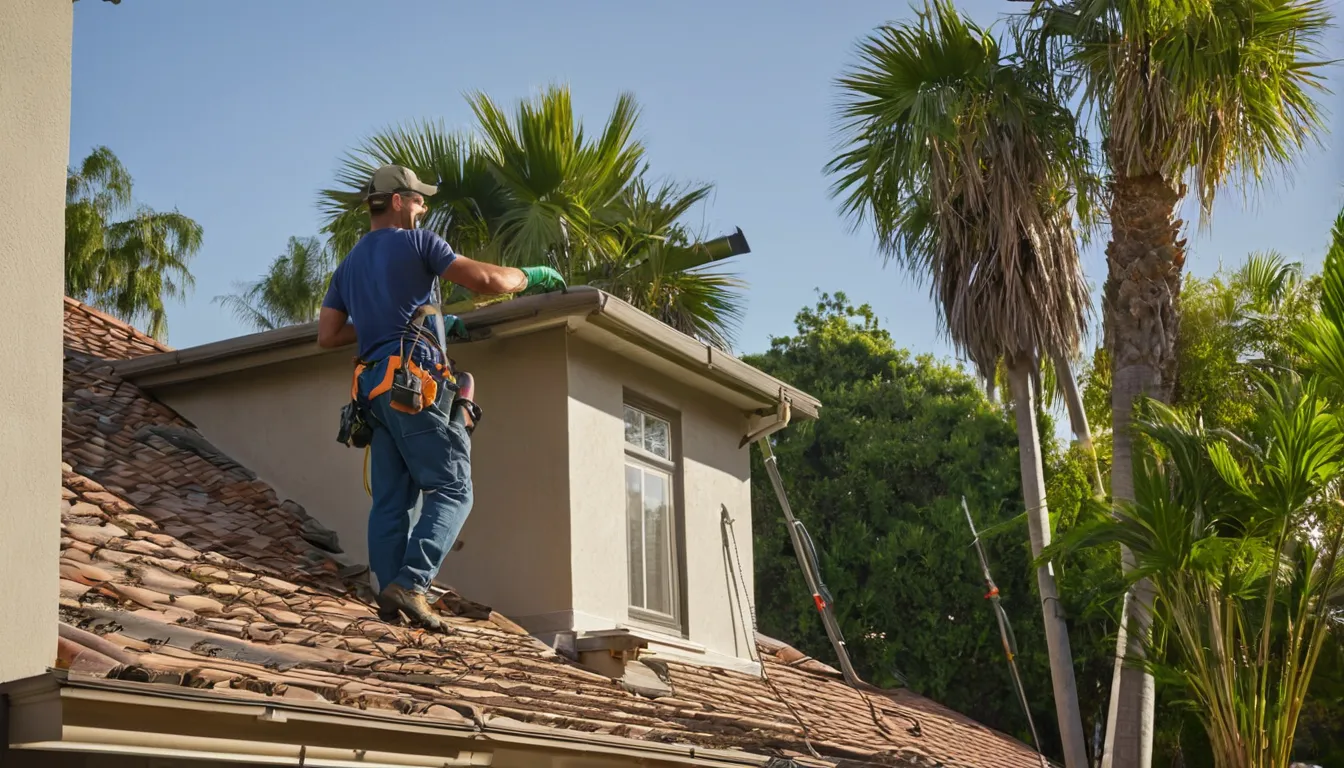
Say you hear scratching in the ceiling after dark. You search "exterminator near me" and get a long list of names that all look alike. That is the moment Richforgotten Pest Control is built for. We are a referral service, so we connect you with an independent provider in our network who handles rodent and wildlife removal in the Coral Gables area.
The provider does the inspection, the removal and the sealing work. Richforgotten Pest Control simply makes the first step easier, so you spend less time searching. This page is written for first-timers. It explains the signs, how removal works, what it may cost, and how to keep animals from coming back. Catch it small, and the job is often simpler.
Say you are lying in bed and hear light scratching above the ceiling. It stops. Then it starts again. You hope it was the wind. The next night, it comes back.
That is often how a rodent or wildlife problem begins. Typing "exterminator near me" can bring up pages of names. Richforgotten Pest Control shortens that. It is a referral service that connects you with an independent local provider, and the provider does the inspection and the work. Less searching, sooner help.
Say a mouse slips through a gap near the garage door. A few weeks later there may be a nest in the wall. Rodents breed quickly, so one visitor can turn into a crowd.
Larger animals add other worries. A raccoon can tear up attic insulation. A squirrel can chew wiring. A mother animal with babies is harder to move once the young are settled. Catch it small, and the fix is usually more manageable.
Scratching, thumping or quick running across the ceiling often points to rats, mice or squirrels. Chirping or squeaking can mean young animals are close by.
Say you open the pantry and find a chewed cereal box and small dark droppings on the shelf. Also look for greasy rub marks along walls, gnawed wires and shredded insulation.
A musty or sharp odor in a closet or attic can mean a nest. A water stain on a ceiling, a loose vent cover or a broken soffit is another clue.
Keep pets and children away from the area. Do not touch droppings with bare hands. Skip the sealing-up idea for now, because trapping an animal inside a wall can make things worse. Take a few photos and note when you hear the noise. A provider can use those details.
Providers in our network deal with a range of animals. Which one you have changes the plan.
Humid weather and frequent summer storms can push animals toward dry shelter. Tile roofs and shingle roofs both have small gaps along the edges that animals find.
A typical visit starts with a look around. The provider checks the attic, the roofline, the garage and the yard. They look for entry points and signs of activity.
Next comes a plan. That might mean traps, one-way exits or exclusion work, depending on the animal and the season. After the animals are out, the provider usually closes the openings so they cannot return. Some also offer cleanup of droppings and damaged insulation.
Say you find baby squirrels in the attic. Moving them the wrong way can be harmful and may break local rules. Many animals are covered by state or local wildlife laws, and bats often have seasonal protections.
Providers know which methods are allowed where they work. Ask how they handle the animals and what happens to them after removal.
A few questions help a first-timer feel steady:
Providers set their own licensing, pricing and availability, so ask each one directly. Request a callback to check provider availability in your area.
Block gaps around vents, soffits and roof edges. Concrete block homes can still have openings where pipes and wires enter. Trim branches that touch the roof.
After a big storm, walk the yard. Fallen limbs and debris piles make shelter. Keep trash lids tight and store pet food indoors.
You do not need to be an expert. Say what you hear, what you have seen and where. If you are also seeing other bugs, such as signs that call for bed bug treatment, mention it. The provider can point you in the right direction for residential pest control too.
A provider checks the roofline, vents, garage and yard to find where animals are getting inside.
Traps, one-way exits or other methods chosen to suit the animal and the season.
Openings are closed up so rodents and wildlife are less likely to return.
Many providers can also clear droppings and damaged insulation if you ask.
Prices vary by animal, home size and how many entry points there are. These are typical U.S. ranges only. Always ask for a written quote before work begins, so you know what is included.
| Service | Typical range | Notes |
|---|---|---|
| Inspection | $75 – $300 | Some providers apply it to the job |
| Mouse removal | $150 – $600 | Depends on activity level |
| Rat removal | $300 – $1,000 | Often needs sealing work too |
| Squirrel or raccoon removal | $250 – $900 | Higher with young animals |
| Exclusion and sealing | $300 – $2,000 | Varies with number of gaps |
| Droppings cleanup and insulation | $500 – $4,000 | Depends on attic size and damage |
Share the sounds, droppings or damage you have seen, and where in the home it is.
Request a callback or use the request form to be matched with an independent local provider.
Ask what is included, including sealing work, before you agree to anything.
The provider inspects, removes the animals and seals entry points as agreed.
Skip pages of results and reach an independent local provider more directly.
Plain steps and simple questions help you feel ready if this is new to you.
Providers in our network work in the Coral Gables area and know the homes found there.
Request an estimate and decide for yourself. There is no obligation to hire.
Send a short note about what you are seeing, or request an estimate. A provider in our network can follow up. Richforgotten Pest Control is a referral service and does not do the work.
No obligationListen for scratching or running overhead, mostly after dark. Look for droppings, gnawed wires and greasy rub marks. Larger droppings and louder noise often mean rats. A provider can confirm which animal it is during an inspection.
Many providers use humane methods, and some animals are protected by state or local rules. Ask how the provider handles young animals and what happens to them afterward, so you know their approach before you agree to the work.
Coverage depends on your policy, and rodent damage is often excluded. Some policies may cover sudden damage, so check yours. Providers can often help document damage for a claim, which may support the conversation with your insurer.
Send a short note about what you are seeing, or request an estimate. A provider in our network can follow up. Richforgotten Pest Control is a referral service and does not do the work.
No obligation